Cold Water Safety and the Art of the First Outing
Early spring is statistically more dangerous on the water than the middle of summer. Here's why — and how the best captains use the first outing to set up the whole season.
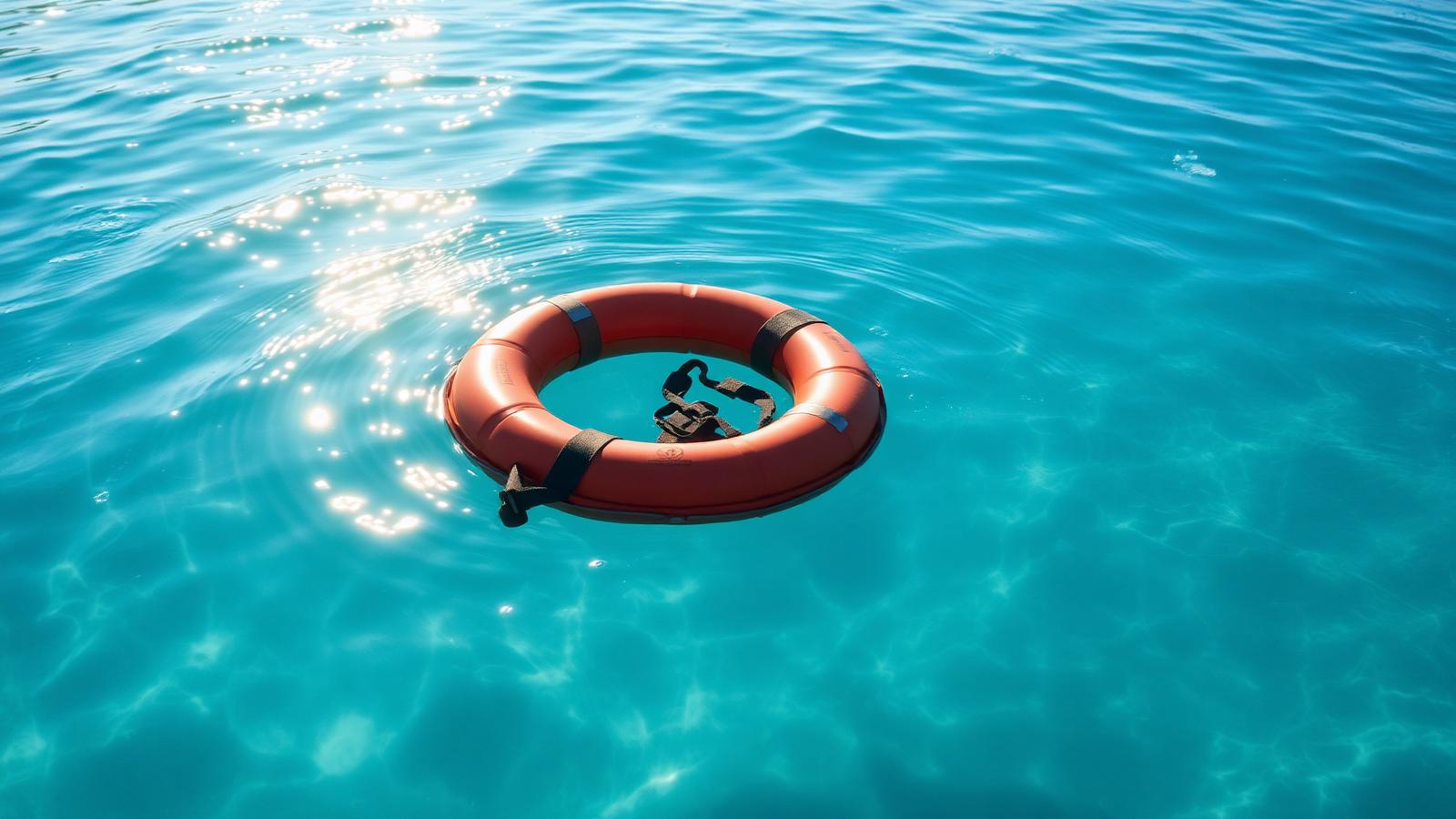
Cold Water Is No Joke: Why Early Spring Is the Most Dangerous Time
Here's something most recreational boaters don't realize: statistically, early spring is more dangerous on the water than the middle of summer. The reason is simple — air temperature and water temperature tell very different stories in April.
It might be 75 degrees and sunny on the dock. The water? Still in the low 50s. When you hit cold water, your body's first reaction is an involuntary gasp — a "cold shock response" that can cause you to inhale water before you even realize what's happening. Within minutes, cold water begins sapping your strength. Even strong swimmers can become incapacitated in water below 60°F in as little as 15 minutes.
A few things that make a real difference:
- Wear your life jacket, don't just carry it. In cold water, you may not have the coordination to put one on after you fall in.
- File a float plan. Tell someone where you're going and when you expect to be back.
- Keep early-season outings short and close. Stay near the dock. Stay near help.
The season is long. Ease into it.
The Art of the First Outing: Making It Count
There's a temptation with the first outing of the season to go big — invite everyone, pack the cooler, plan a full day on the water. Every year, that plan runs into the same wall: something doesn't work, something was forgotten, and the day ends with more frustration than relaxation.
The captains who consistently have great seasons do the opposite. Their first outing is small and intentional. Two or three people. A short loop. The goal isn't the outing itself — it's the shakedown.
Does everything start up the way it should? Is the steering responsive? Any weird noises? Does the depth finder still work? These are things you discover at low speed with a small crew, not at full throttle with eight guests and a tube in tow.
Think of the first outing as a dress rehearsal. Run through your departure checklist. Test your safety equipment. Get a feel for the boat again. Once you've confirmed everything is solid, the second outing is where the season really begins. Invite the neighbors. Pack the sandwiches. You've earned it.
Looking Ahead
April is for preparation. May is for that first perfect evening on the lake — the one where the water goes glass-calm around 6 PM and the sun turns everything gold. You know the one.
Get your boat ready. Check your gear. Log your life jackets. And when the moment comes, you'll be able to just enjoy it — knowing the important stuff is already handled.
Want Skipperly running your departure checklist and life jacket matching this season? Join the beta.